What Is A Show Stop?
Why festival performances are paused, cut short or ended, and who makes the call when carrying on is no longer an option.

The two words no one wants to hear backstage.
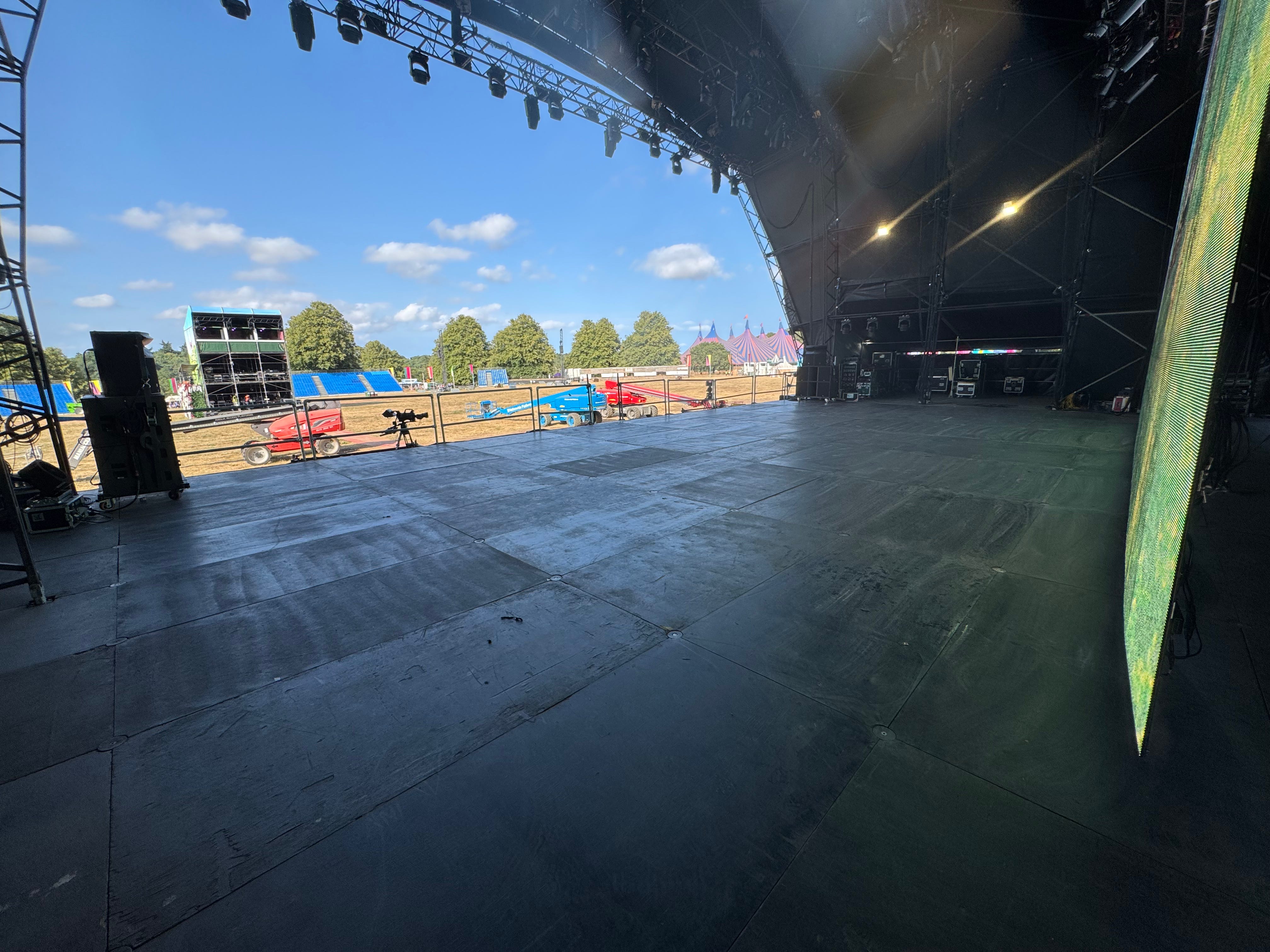
I’ve called them for lightning (very exciting), incidents in the crowd (very frightening), and people climbing things they shouldn’t (very stupid).
It sounds dramatic, but the aim is to make it anything but. We need to assess the situation, make a decision, and communicate it quickly because delaying the response could result in serious injury or death.
This is the serious side of what I do as a Stage Manager.
Firstly, at the shows I do, this is all discussed and agreed upon in advance. A select few are given a show stop card, meaning they can stop a performance immediately. These include the heads of security, pit manager, production manager, stage manager and key members of event control.
Before every artist goes on, I briefly explain the procedure to their Tour Manager or Production Manager.
I point out the Pit Manager and show them the agreed signal. If that signal comes, the performance stops immediately. If the instruction arrives through my radio because of something we cannot see from the stage, eg: lightning, a security incident or another site-wide problem, I tell the Tour Manager, and they tell the artist.
If appropriate, the artist can calmly explain the pause to the audience. Otherwise, I can do it through the Voice of God microphone.
Here’s me doing exactly that at Latitude. Thankfully, this one wasn’t because of lightning, terrorism or somebody halfway up a delay tower; it’s the end-of-show safety announcement.
But I make it clear that nobody restarts until Event Control gives me the all-clear.
I write down the name of the person I briefed, because otherwise I’ll forget, and I might need it in a court.
Then I usually add:
“Now we’ve talked about it, it probably won’t happen.”
This is not formally recognised risk-management methodology, but it does make everyone feel slightly better.
If I’m dealing with an, erm, tricky artist, I’ll occasionally remind them that history has already shown what can happen when the artist isn’t told clearly and quickly. Nobody argues with that. More on that later.
So, here are the things that cause a show-stop!!
Things you can see.
We can see a lot from the stage; the view of the crowd is awesome. At Latitude, this includes small children playing in the sand covering the cables to front of house, older children starting a football match stage right, and the annual struggle of Dads trying to blow up those air sofas. And failing.
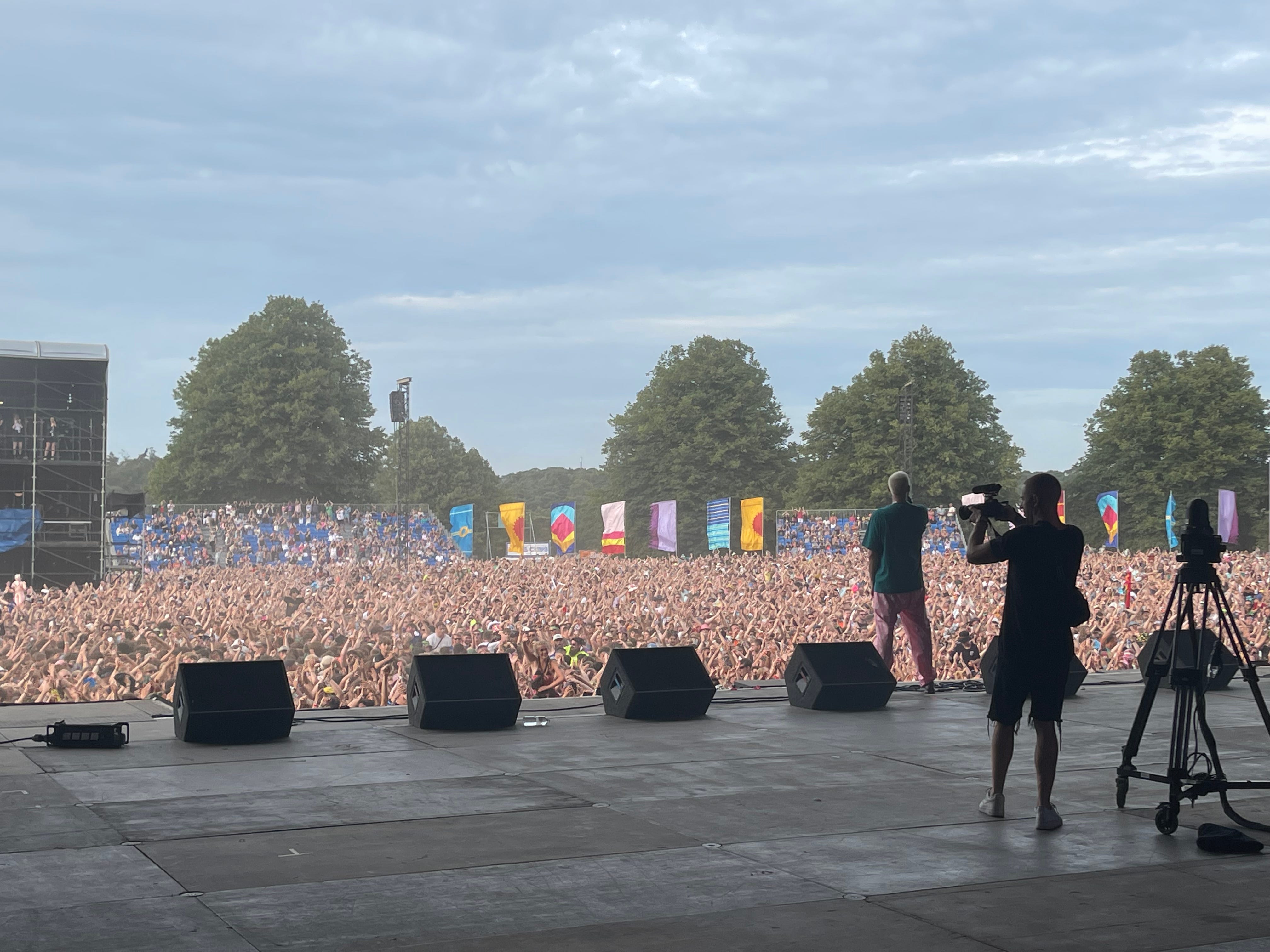
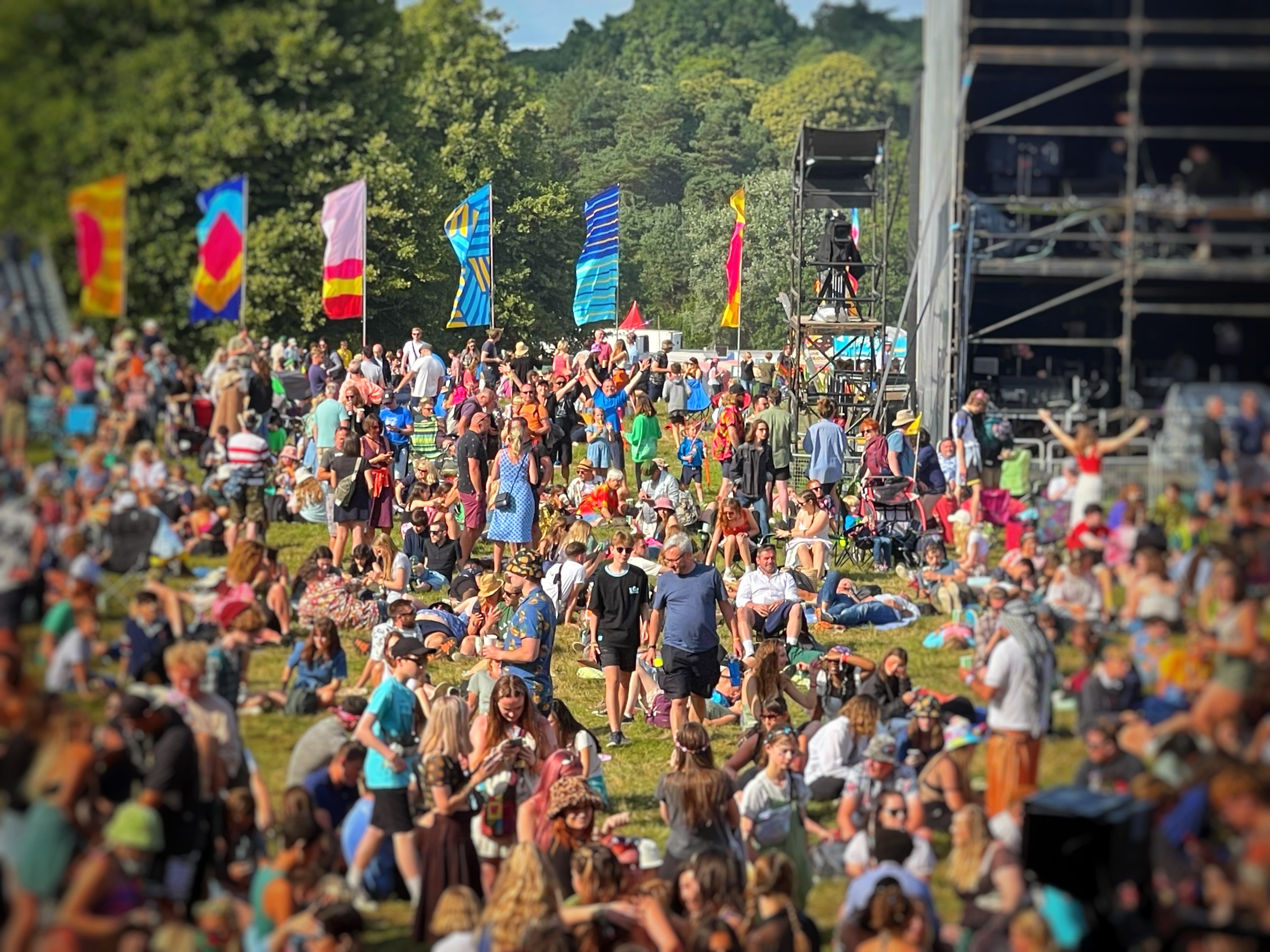
These are not show-stop incidents, although I love watching a middle-aged man losing a 20 minute battle with his latest camping innovation.
Security teams plan and assess which artists are likely to create particularly lively, dense or potentially problematic crowds in advance of the event. They may deploy additional staff, including spotters positioned stage left and stage right.
The spotters are in direct comms with event control and can see issues that require the show to stop. The audience is also monitored carefully by CCTV in Event Control. Honestly, it looks like NASA’s Mission Control at some shows, and troublemakers can be followed all over the site, including back to where they are camping. Anyway, should something happen in the crowd, a sudden collapse, dangerous compression, or if someone is becoming critically unwell, the show can be stopped, quickly.
Climbers. These attention-seeking idiots are the bane of my life. We used to get loads of them back in the early rave days, climbing to the top of the tent’s king poles, some even traversing across the power cables. Then there are those that climb on stage (artists, this is an immediate show stop) or the PA’s delay towers. These pose risks because if they fall, they may hurt not only themselves but also other people. That decision is way above my pay grade; fortunately, it rests on the shoulders of Event Control and the festival's license holder. It’s a show-stop.
I remember a band at Reading, first on, trying desperately to look ‘hard’ to match their ‘hard’ indie music; the tiny audience were not having it, so in a last-ditch attempt to draw unnecessary attention to himself, the lead singer started climbing the lighting truss.
I casually walked across the stage mid-song, tapped him on the ankle and told him if he didn’t get down immediately, I’d stop the show and remove him from my stage.
He looked genuinely terrified. I felt slightly guilty. He got down.
It could also be a technical issue, such as generators failing (which happens, especially when they are filled with the artist’s own confetti!) or another incident that means it’s not safe to proceed.
In these cases, if they last too long, we’ll need to stick a message on the screen. “The band has brought their bedroom set up for a major festival stage, and surprise surprise it doesn’t work”, is what I’d like it to say, but it’ll be something like “We need to stop the show for a few minutes due to a technical issue. Thanks for your patience”.
Sometimes the fault takes ages to find because there is enough equipment on stage to reopen Maplin. Sometimes it’s immediate, like last weekend at Latitude, when an artist plugged in their own transformer and tripped the generator at precisely the moment the plug went in.
Things you can’t see
I’m a bit of a weather nerd. After thirty years of British festivals, you either learn to monitor the sky or spend your career looking surprised, wet through while being rained on.
Lightning and strong winds are the serious ones. Events have agreed thresholds, and when those are reached, the show stops. The artist may be halfway through their favourite song, as with the Futureheads at Latitude, but the weather doesn’t care. It has its own show it wants to put on.
Rain makes everybody miserable, wind makes everybody nervous, lightning stops the jokes.
So more about the bloody weather in this post
At some events I’m given a laminated pack containing pre-agreed emergency announcements.
Some of those pages contain words I sincerely hope never to say over a festival PA.
That is probably enough detail.
It is also why you should never post a photograph of your working pass while an event is still live.
Curfew
I once was asked to join a pre-show huddle, something that still happens backstage before an artist goes on stage. Trouble was, not only did the band ask me to join, they asked me to lead it.
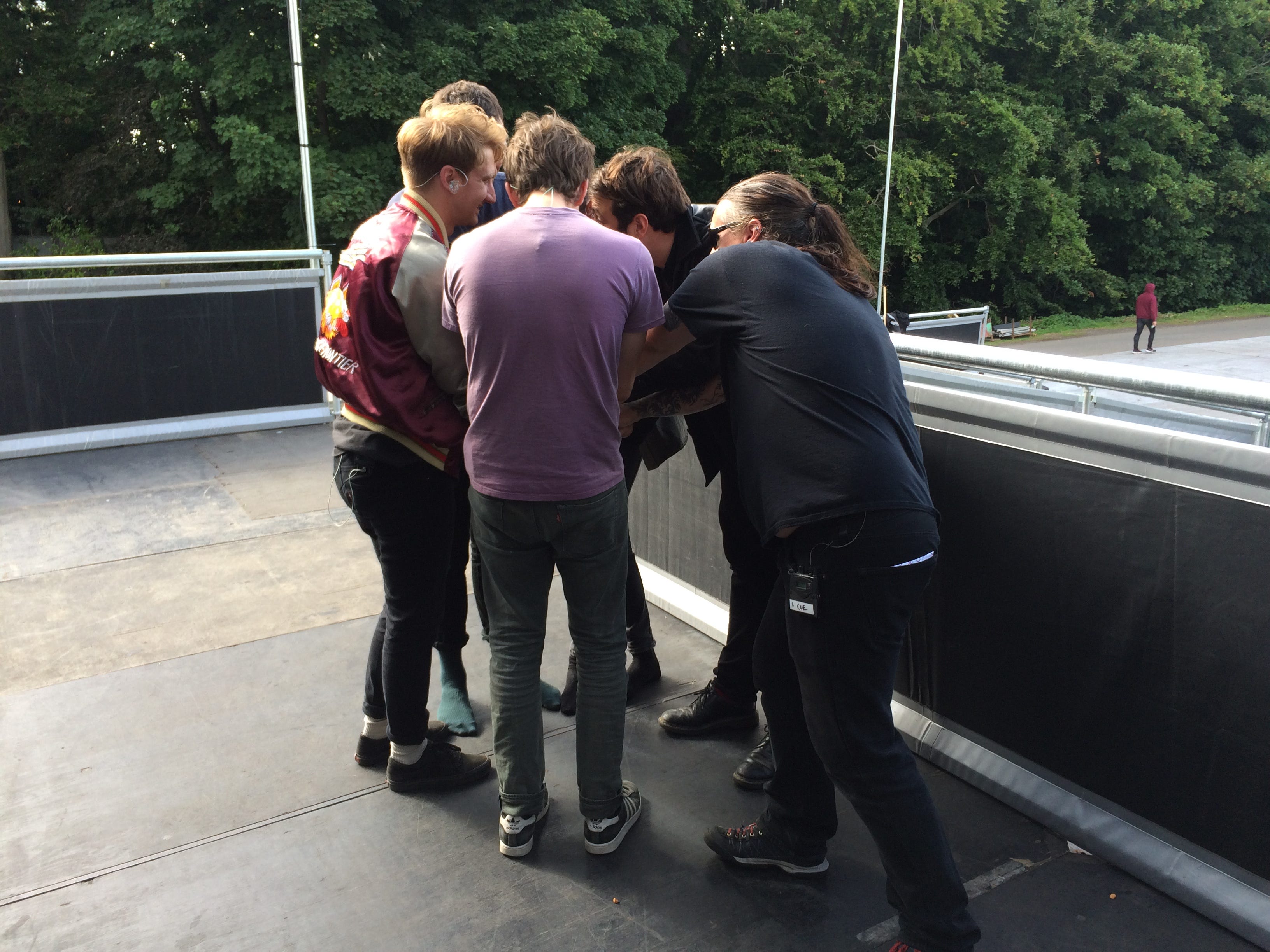
Having never been in one before, I panicked. “Have a great show. And finish on time”, the band laughed, and told me how inspirational it was. They finished on time.
The running order matters. Every artist has an onstage time, a set length and an agreed offstage time. If the second band of the day overruns, those minutes do not disappear. They come out of somebody else’s changeover, somebody else’s performance, or the headliner’s set.
Imagine telling the headliner they must lose twenty minutes because an unknown act at midday had decided to express themselves. You would never be asked back, and the event could risk its licence.
I’ve pulled the plug on many performances over the years, including the one I’m now best known for involving Lana Del Rey at Glastonbury. But that deserves a post of its own.
One of my favourites was Reading. It was a US rapper, 4th or 5th on, 5mins late for his show start, which meant I felt I needed to go down and visit the dressing rooms to find out what was going on.
Initially, he was lovely; he apologised, he said he was nervous, and that he would definitely finish on time. But, having been in these situations before, I was dubious and well prepared.
Lo and behold, the moment he walked on stage, he started slagging me off, hey, that’s fine, I leave my ego at Blue Gate, but it was when he went into the audience with the radio mic at the time his set should’ve ended slagging the festival off tested my patience.
“How long is this going on for?” I asked the Tour Manager
“Ooh, about 10 minutes?”
Nah, I’d had enough; I gave the agreed signals. The PA was cut, the stage lights came up, the video wall switched to advertising messages, and we wheeled the DJ offstage on his riser.
The DJ continued performing throughout and appeared not to notice that the stage was leaving him.
This left the artist standing alone in the middle of the audience, holding a microphone that no longer worked, while everyone watched in silence
He won’t do that again.
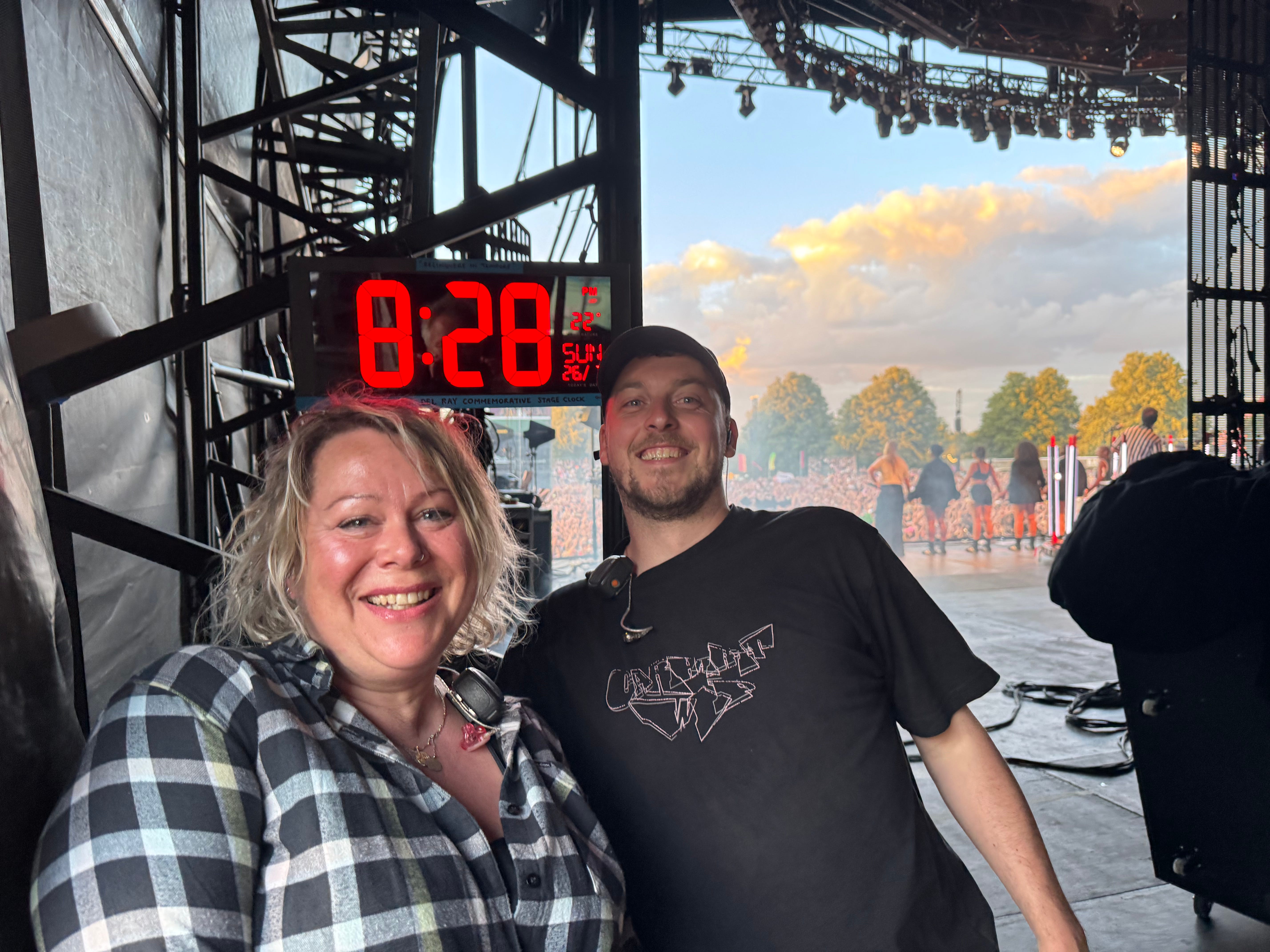
Of course, not every show stop ends with a DJ being wheeled away while still performing.
Most happen because somebody has seen or heard something that means continuing is no longer the safest option.
The audience may only see a brief pause or hear a short announcement, but behind it will be security, Event Control, production, the stage team and the artist’s representatives all trying to understand the same situation and respond calmly.
That is what a show stop really is.
It isn’t somebody backstage being dramatic or trying to ruin the moment. It is a decision made because, at that exact point, stopping is safer than continuing.
Sometimes the performance restarts. Sometimes it doesn’t.
But nobody should restart it simply because the artist, the audience, or the clock would prefer them to.
I’m really enjoying these post. It’s such an interesting behind the scenes look at things. Keep them coming!